
Top Scrap Melting Furnace Manufacturer for Quality and Reliability
By:Admin
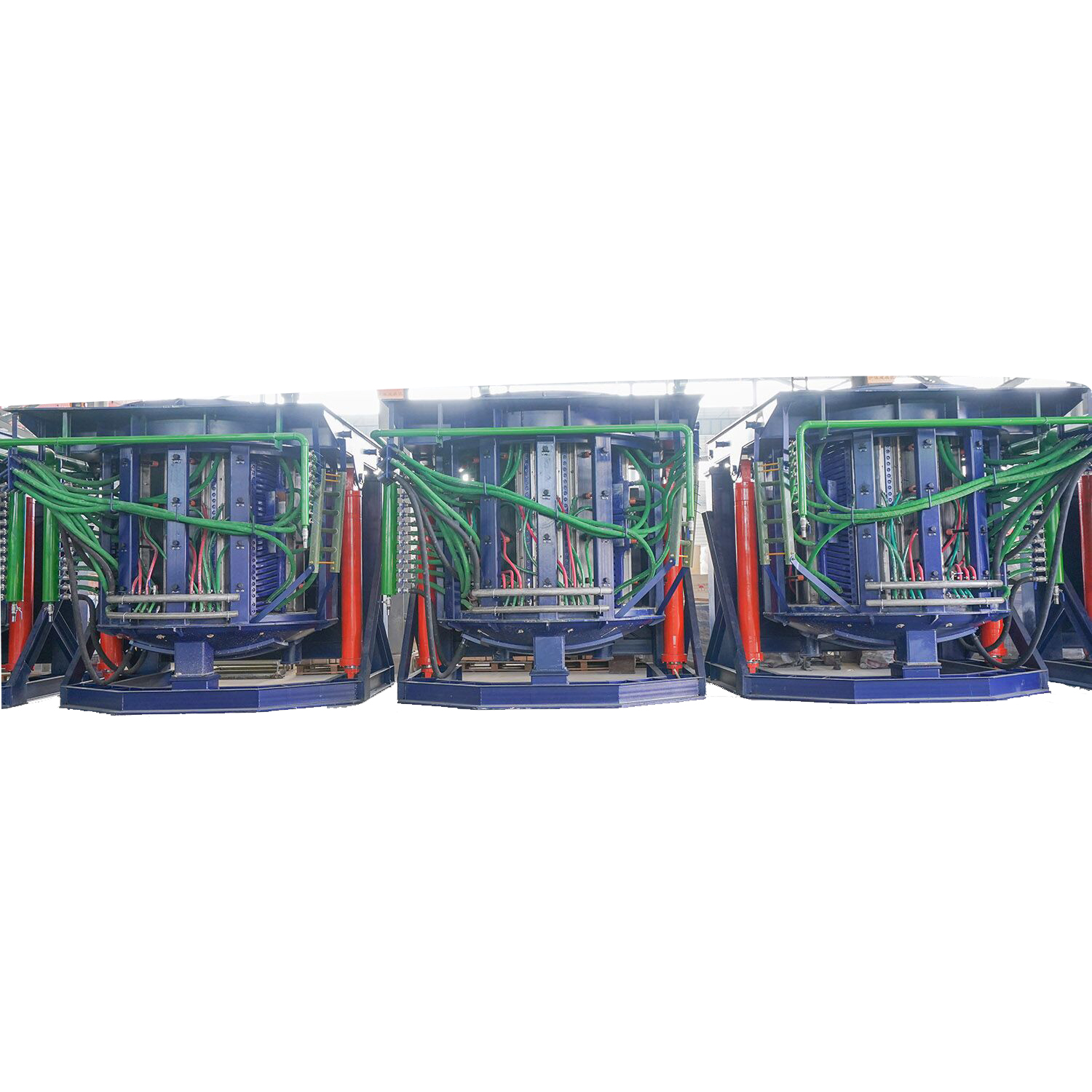
In recent years, advancements in scrap melting furnace technology have significantly transformed the metal recycling industry, enabling manufacturers to achieve higher efficiency, improved energy savings, and better environmental compliance. This progress underscores the vital role that cutting-edge equipment plays in promoting sustainable metal processing and meeting the growing global demand for recycled metals.
The scrap melting furnace is a pivotal asset in the recycling chain, responsible for melting down various metal scrap types—including steel, aluminum, copper, and other non-ferrous metals—into molten form suitable for casting and remanufacturing. With increasing environmental regulations and the rising cost of raw materials, manufacturers worldwide have been actively seeking furnaces that combine high performance with operational cost-effectiveness.
**Innovations Driving the Industry Forward**
The latest generation of scrap melting furnaces incorporates advanced technologies such as induction heating, electric arc melting, and improved refractory materials. These innovations offer remarkable benefits over traditional methods:
1. **Enhanced Energy Efficiency**
Modern scrap melting furnaces utilize improved insulation techniques and optimized power control systems to reduce energy consumption by up to 30%. These furnaces precisely regulate the heat to match the melting point of different scrap materials, thus minimizing wastage of energy and reducing carbon emissions associated with metal processing.
2. **Superior Melting Speed and Capacity**
Innovative designs feature increased furnace volumes and advanced thermal management, enabling faster melting cycles without compromising the quality of the molten metal. This advancement allows recycling plants to expand production capacity while maintaining product consistency, enhancing their competitiveness in the market.
3. **Improved Environmental Performance**
Sophisticated filtration and exhaust systems integrated into modern melting furnaces effectively capture particulate matter and gases released during melting. This technology helps metal recyclers comply with stringent air quality standards and contributes to a cleaner, healthier working environment.
4. **User-Friendly Operation and Maintenance**
The incorporation of automated controls and digital monitoring systems allows operators to precisely control furnace parameters, such as temperature and power levels, minimizing human error and ensuring consistent output. Furthermore, modular furnace designs simplify maintenance processes, reducing downtime and operational costs.
**Global Demand and Market Trends**
The surge in demand for recycled metals, driven by industries ranging from construction to automotive and electronics, has emphasized the importance of scrap melting furnaces that can adapt to diverse scrap inputs and produce high-purity output. Governments' increasing focus on circular economy initiatives further fuels the need for efficient recycling technologies.
Industry analyses indicate that the global scrap melting furnace market is expected to grow steadily over the next decade, as manufacturers in emerging economies adopt advanced metal recycling facilities. This expansion presents opportunities for equipment manufacturers to innovate and customize solutions tailored to diverse market needs.
**Company Overview**
A leading manufacturer specializing in the design and production of advanced scrap melting furnaces has been at the forefront of this industry evolution. With decades of experience, the company has built a reputation for delivering high-quality, energy-efficient, and environmentally friendly furnaces to clients worldwide.
Their product portfolio includes a wide range of scrap melting furnaces suitable for various metals and application scales—from small workshops requiring compact units to large industrial plants needing heavy-duty furnaces with maximum throughput. The company’s commitment to research and development ensures continuous innovation, integrating the latest technological advancements and feedback from end-users.
In addition to manufacturing, the company provides comprehensive after-sales support, including installation, training, and technical service, ensuring clients maximize the value of their investments. Their global service network guarantees timely assistance and maintenance, thereby enhancing furnace longevity and performance.
**Case Studies and Customer Success Stories**
Several clients have reported significant improvements in operational efficiency and cost savings after implementing the company’s scrap melting furnace solutions. For instance, a mid-sized metal recycling plant in Europe increased its melting capacity by 40% while reducing energy costs by 25%, thanks to the new induction melting furnace installed last year. Environmental compliance was also achieved with ease due to integrated emission control systems.
Similarly, a manufacturer in Asia transitioned to the company’s electric arc furnace technology, enabling the processing of mixed scrap materials with higher impurity levels. This change not only boosted productivity but also opened new revenue streams by expanding scrap acceptance criteria.
**Looking Ahead**
With sustainability and circular economy principles becoming central to industrial policies worldwide, scrap melting furnace manufacturers play a crucial role in enabling resource-efficient metal recycling. The continuous drive for innovation, customer-centric customization, and adherence to environmental standards positions industry leaders well to meet future challenges.
As global metal consumption grows alongside the pressing need for reducing environmental impact, the demand for advanced scrap melting furnaces is poised to increase. Manufacturers, operators, and policymakers alike recognize that investing in state-of-the-art melting technology is essential for sustainable industrial development.
**Conclusion**
The evolution of scrap melting furnace technology has ushered in a new era for the metal recycling industry, characterized by greater efficiency, environmental stewardship, and operational excellence. Companies specializing in these furnaces continue to innovate, offering solutions that not only meet current market demands but also anticipate future trends.
By embracing these advancements, metal recyclers can improve profitability and sustainability, contributing to a circular economy that conserves resources and protects the environment. The industry’s ongoing transformation demonstrates the critical intersection of technology and sustainable practices, highlighting the bright future ahead for scrap melting furnace manufacturers and their clients worldwide.