
Top Electric Suppliers for Metal Melting Furnaces in China
By:Admin
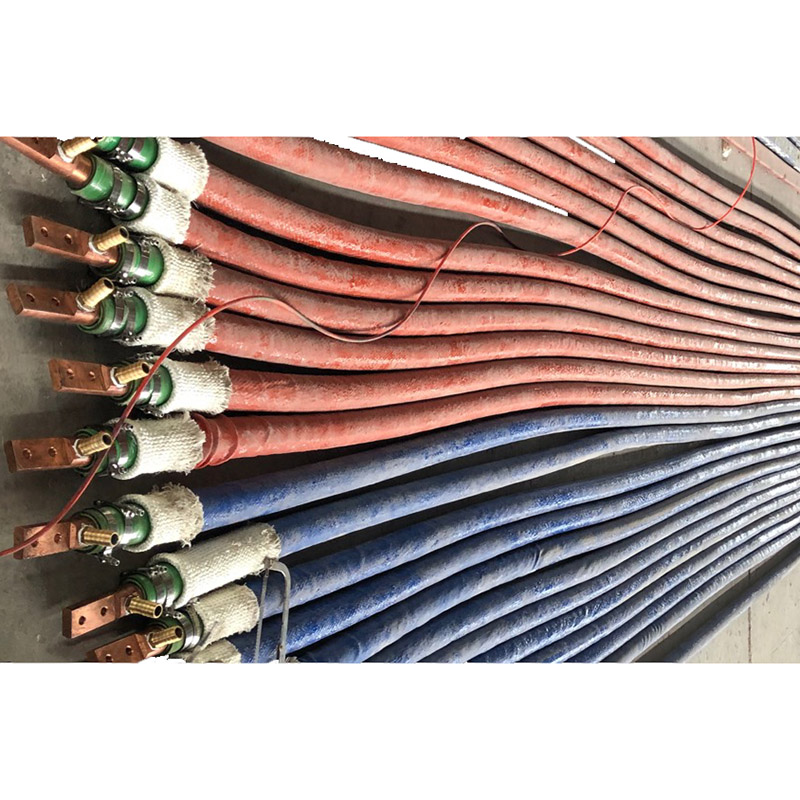
In recent years, China’s metal melting furnace sector has witnessed significant growth, driven by rapid industrialization and the increasing demand for advanced manufacturing technologies. Metal melting furnaces are critical components in industries such as steelmaking, foundries, automotive, aerospace, and electronics manufacturing. The latest developments in electric melting furnaces are paving the way for more efficient, sustainable, and cost-effective metal production processes.
China’s electric metal melting furnace suppliers have positioned themselves at the forefront of this transformation by integrating cutting-edge technology with environmentally conscious manufacturing practices. These suppliers focus on producing furnaces tailored to diverse industrial needs, ensuring enhanced performance, energy efficiency, and longevity.
**Overview of China’s Metal Melting Furnace Electric Industry**
Electric metal melting furnaces utilize electrical energy to melt metals, providing precise temperature control and lowering pollution compared to traditional fossil fuel-based furnaces. By adopting electric furnaces, industries benefit from faster melting cycles, reduced emissions, and improved metal quality.
China stands as a global leader in manufacturing and exporting metal melting furnaces, with many domestic suppliers serving both local and international markets. Their products include induction furnaces, arc furnaces, resistance furnaces, and vacuum melting units, catering to metals such as steel, aluminum, copper, and precious metals.
**Technological Innovations Driving the Sector**
Chinese electric furnace suppliers continuously invest in research and development to refine furnace designs and incorporate smart technology. Some notable innovations include:
- **Energy-efficient heating elements:** Advanced coils and electrodes reduce power consumption while maintaining high melting rates.
- **Automated control systems:** Integration of IoT sensors and AI algorithms allows real-time monitoring, predictive maintenance, and optimized process parameters.
- **Eco-friendly materials:** Insulation materials with enhanced thermal retention minimize heat loss, contributing to sustainability goals.
- **Modular designs:** Customizable furnace configurations that can be scaled or adapted depending on production requirements.
These enhancements not only boost operational efficiency but also align with global environmental standards, reflecting China’s commitment to greener industrial progress.
**Market Demand and Industry Applications**
The surge in demand for metal melting furnaces intersects with China’s broader economic strategies, including the “Made in China 2025” initiative emphasizing advanced manufacturing capabilities. Key industries driving furnace consumption include:
- **Automotive Manufacturing:** High-quality metal components require precise melting processes for safety and performance.
- **Aerospace:** Lightweight alloys produced via electric melting methods support innovation in aircraft design.
- **Construction:** Steel and alloy melting for building materials underpins urban development projects.
- **Electronics:** Production of pure metals and alloys is essential for semiconductors and electronic assemblies.
The adaptability of electric melting furnaces to various metals and batch sizes makes them indispensable for small-scale workshops and large industrial complexes alike.
**Challenges and Opportunities**
Despite the promising outlook, China’s metal melting furnace sector faces challenges such as increasing raw material costs, the need for skilled operators, and the imperative to meet tightening environmental regulations. However, these challenges also create opportunities for suppliers to differentiate themselves through quality, customization, and after-sales service.
Collaboration with research institutions and technology companies is enhancing furnace automation and reducing reliance on manual operations, which helps overcome workforce limitations. Additionally, expanding export markets in Asia, Africa, and Latin America provides avenues for growth amid global industrial shifts.
**Looking Ahead: The Future of China’s Electric Metal Melting Furnaces**
China’s metal melting furnace electric suppliers are expected to sustain their momentum by focusing on:
- **Sustainability:** Developing zero-emission and low-carbon furnace technologies.
- **Digital Transformation:** Leveraging big data and AI for smarter manufacturing ecosystems.
- **Global Partnerships:** Strengthening international cooperation to meet diverse market requirements.
- **Innovation in Materials:** Exploring high-performance alloys and recycling-friendly furnace designs.
As these suppliers continue to innovate and lead, they will play a vital role in shaping the metal processing landscape, supporting China’s ambitions for industrial modernization and environmental stewardship.
**Conclusion**
The evolution of China’s electric metal melting furnace industry represents a critical juncture in metal manufacturing. Through technological innovation, customer-centric product development, and sustainable practices, China’s suppliers are not only meeting domestic industrial demands but also influencing global metal production standards. Their advancements ensure that industries dependent on metal melting technology can achieve enhanced productivity, environmental compliance, and competitive advantages in an increasingly complex global market.