
Top Aluminium Melting Rotary Furnace Suppliers in China
By:Admin
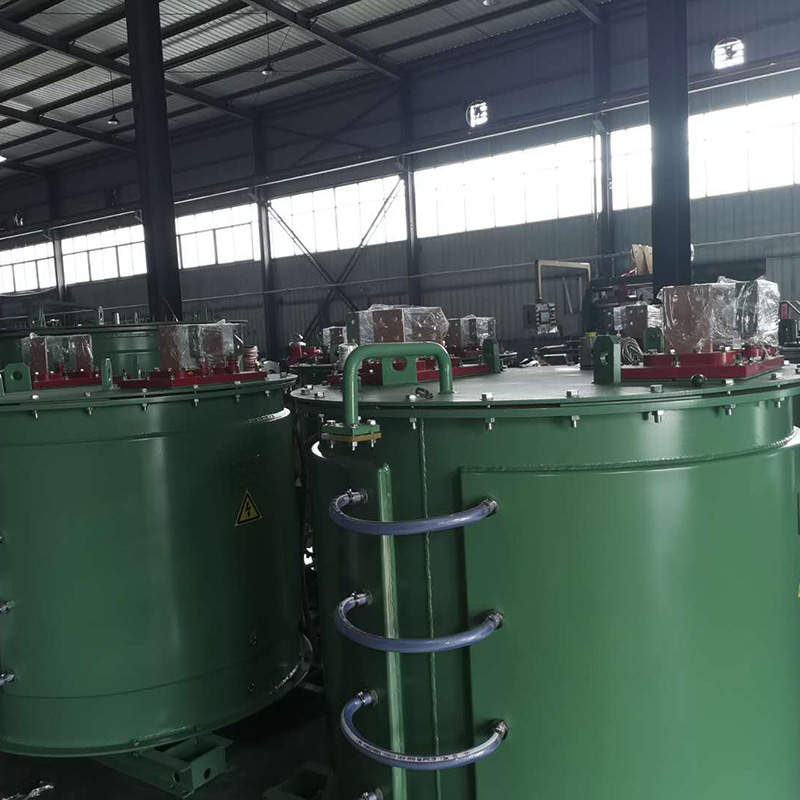
In the quest for enhancing aluminium production efficiency and environmental sustainability, China’s aluminium melting rotary furnace sector has witnessed remarkable progress. Recognized for its advanced design, operational efficiency, and adaptability, rotary furnaces have become a cornerstone in aluminium smelting industries across the region. This article delves into the latest developments in China’s aluminium melting rotary furnace technology, highlighting their impact on industrial processes and the wider materials manufacturing landscape.
### Rising Demand for High-Efficiency Aluminium Melting Solutions
With global aluminium consumption steadily increasing, manufacturers are under constant pressure to optimize their melting and refining processes. Aluminium melting rotary furnaces offer significant advantages over traditional melting methods, including faster melting times, lower energy consumption, and superior metal quality. In China, where the aluminium industry is both vast and rapidly evolving, these furnaces have become indispensable tools for foundries and metal processing plants.
The rotary furnace’s unique design facilitates continuous melting and refining by rotating the drum that holds scrap aluminium or alloy feedstock, which ensures even heating and superior temperature control. This method not only enhances melting efficiency but also reduces the possibility of impurities, which is critical for producing high-quality aluminium alloys.
### Technological Features Driving Performance
Modern aluminium melting rotary furnaces manufactured in China are equipped with state-of-the-art features that elevate their performance. These include automated controls for temperature regulation, advanced refractory linings to minimize heat loss, and optimized burner systems that maximize fuel combustion efficiency. The integration of intelligent monitoring systems allows operators to track furnace conditions in real time, leading to improved operational safety and minimized downtime.
Environmental considerations have also shaped furnace design. Many rotary furnaces now include emission control technologies such as dust collectors and gas scrubbers that reduce pollutants released during the melting process. This focus on sustainability aligns with China’s commitment to reducing industrial emissions and promoting greener manufacturing practices.
### Economic and Operational Benefits
The adoption of rotary furnace technology translates into tangible economic benefits for aluminium producers. Improved fuel efficiency and faster melting cycles reduce operational costs, while the ability to process a variety of aluminium scrap grades promotes material recycling and cost-effectiveness. Additionally, the superior quality of molten aluminium enhances the value of cast products, meeting stringent industry standards for strength and durability.
Operational reliability is another key advantage. The robust construction and precise engineering of rotary furnaces reduce maintenance requirements and extend equipment lifespan. This reliability supports continuous production schedules, crucial for meeting the demands of large-scale aluminium manufacturing.
### Customized Solutions for Diverse Industry Needs
China’s aluminium melting rotary furnace manufacturers offer a wide range of furnace models tailored to diverse industrial requirements. From small-scale foundries specializing in specialty alloys to large smelting operations producing standard aluminium grades, the adaptability of rotary furnace technology ensures optimal performance across applications.
Customization options often include furnace capacity adjustments, burner configurations, and control system integrations that align with specific production workflows. This flexibility allows manufacturers to enhance their competitive edge by optimizing furnace operations according to unique operational and environmental constraints.
### Industry Outlook and Future Innovations
The future of aluminium melting rotary furnaces in China appears promising, fueled by ongoing research and development. Emerging trends include the incorporation of artificial intelligence and machine learning for predictive maintenance and process optimization. Such advancements are expected to further reduce energy consumption and emissions while increasing productivity.
Collaborations between equipment makers and industry stakeholders are also fostering innovations that improve furnace automation and digitalization. These initiatives aim to create smarter production environments that enhance resource utilization and enable real-time decision-making.
### Conclusion
China’s aluminium melting rotary furnace sector exemplifies the nation’s commitment to advancing metallurgical technologies while addressing economic and environmental challenges. Through continuous innovation, high-quality manufacturing, and customer-centric solutions, rotary furnaces have become essential assets in aluminium production.
As aluminium demand continues to rise worldwide, these furnaces will play a pivotal role in meeting industrial needs with efficiency, sustainability, and reliability. Industry participants and observers alike can expect continued progress that drives the aluminium sector toward greater achievements in resource management and product excellence.